Breaking News: Imvionix Acquires Beovu in the US and Canada
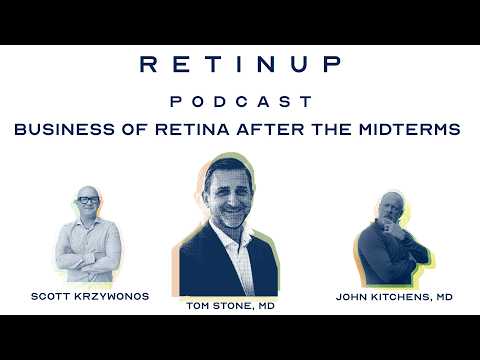
Hosts: John Kitchens, MD, Scott Krzywonos
Topics Covered
The Deal
Imvionix announced it has acquired exclusive commercial rights to Beovu in the US and Canada from Novartis. Scott reads the press release language about an organization with deep relationships in the retina community being best positioned to “expand the reach of such therapies,” and takes the plural as a sign that more acquisitions may follow.
John knows Rick Eiswirth, who has spent about 20 years in the retina space, and likes the leadership. His hope is that Imvionix helps maintain access to niche products that major manufacturers no longer want to support, as Novartis selling Beovu suggests.
Why Access Matters
Beovu is rarely used in the US, largely because of the retinal vasculitis reports that followed its launch. John still values having it available, because it works for some patients. Scott points to Harrow’s acquisition of Triesence from Alcon as a model: the product was unavailable for a couple of years and is now easy to get.
The Molecule
Brolucizumab was the first second-generation anti-VEGF agent, alongside Vabysmo and Eylea HD. John says the HAWK and HARRIER studies showed a strong drying effect and durability, and that many retina specialists consider it the strongest drying agent.
Scott noticed at this year’s ASRS Preferences and Trends survey posters that Beovu use registered in Asia-Pacific for exudative disease but not in other regions. John, after talks in Australia and Taiwan about six months ago, says physicians there still rely on it for difficult idiopathic polypoidal choroidal vasculopathy. He adds, anecdotally, that they report less retinal vasculitis than first described. Scott wonders whether closer monitoring has reduced the consequences of those events.
What Imvionix Could Do
John calls Beovu an unsupported drug in the US, with no sales force behind it. Scott suggests the label “unsupported” over “orphan,” since orphan implies an orphan indication. He expects support for access and samples, and further research on the inflammatory events. Scott adds patient selection as a likely topic. John doubts that will be enough to raise US share now that faricimab and aflibercept 8 mg are available, but welcomes a company with an identifiable face behind the drug.
Next Candidates
John’s list of neglected products: photodynamic therapy, Retisert (a surgical implant that treats uveitis), and products that keep going on back order, including ICG and fluorescein.
Key Takeaways
Imvionix is built around retina relationships, and the hosts read its press release as a sign of more deals.
Beovu is used sparingly in the US but still helps some patients, especially in Asia-Pacific for polypoidal disease.
A company with a real commercial team behind Beovu could mean access, samples, and new data on inflammation and patient selection.
Products that are niche, withdrawn, or repeatedly back ordered are the next likely acquisition targets.
Credits
Production & Marketing: Laura Brown | Business Operations: Liz Hogan
🎧 Listen at RetinUp.com | Apple Podcasts | Spotify | YouTube